
More Than a Quick Fix: Why Oil Changes Dominate Routine Service Sales
In the realm of automotive services, oil changes are widely recognized as the most frequent and essential service task. This practice, often perceived as a routine necessity, has garnered immense popularity over time, driving significant sales in the service sector. This article explores the multifaceted reasons behind this dominance, underscoring the importance and impact of oil changes on vehicle maintenance and customer satisfaction. Their role in maintaining engine efficiency and prolonging vehicle life cannot be overstated. Furthermore, understanding why these services have cornered the market is crucial for grasping their dominant presence in automotive maintenance.
The Fundamentals of Oil Changes
The Role of Engine Oil
Engine oil serves as the lifeblood of any vehicle, performing several critical functions essential for engine health. Primarily, it lubricates the engine's moving parts, minimizing friction and wear. Without adequate lubrication, parts can grind against each other, leading to increased wear and potential damage. Besides lubrication, engine oil also helps in cooling the engine by carrying away heat. Furthermore, it aids in sealing small spaces within the engine to prevent leakage, ensuring efficient operation.
Types of engine oils are diverse, catering to different engine types and performance requirements. There are conventional oils, which are natural and suit older engines best. Synthetic oils, however, are artificially formulated and provide superior performance and protection. They tend to offer cleaner operation and are more resilient to extreme temperatures. Semi-synthetic or synthetic-blend oils offer a middle ground, combining elements of both conventional and synthetic oils to provide balanced benefits.
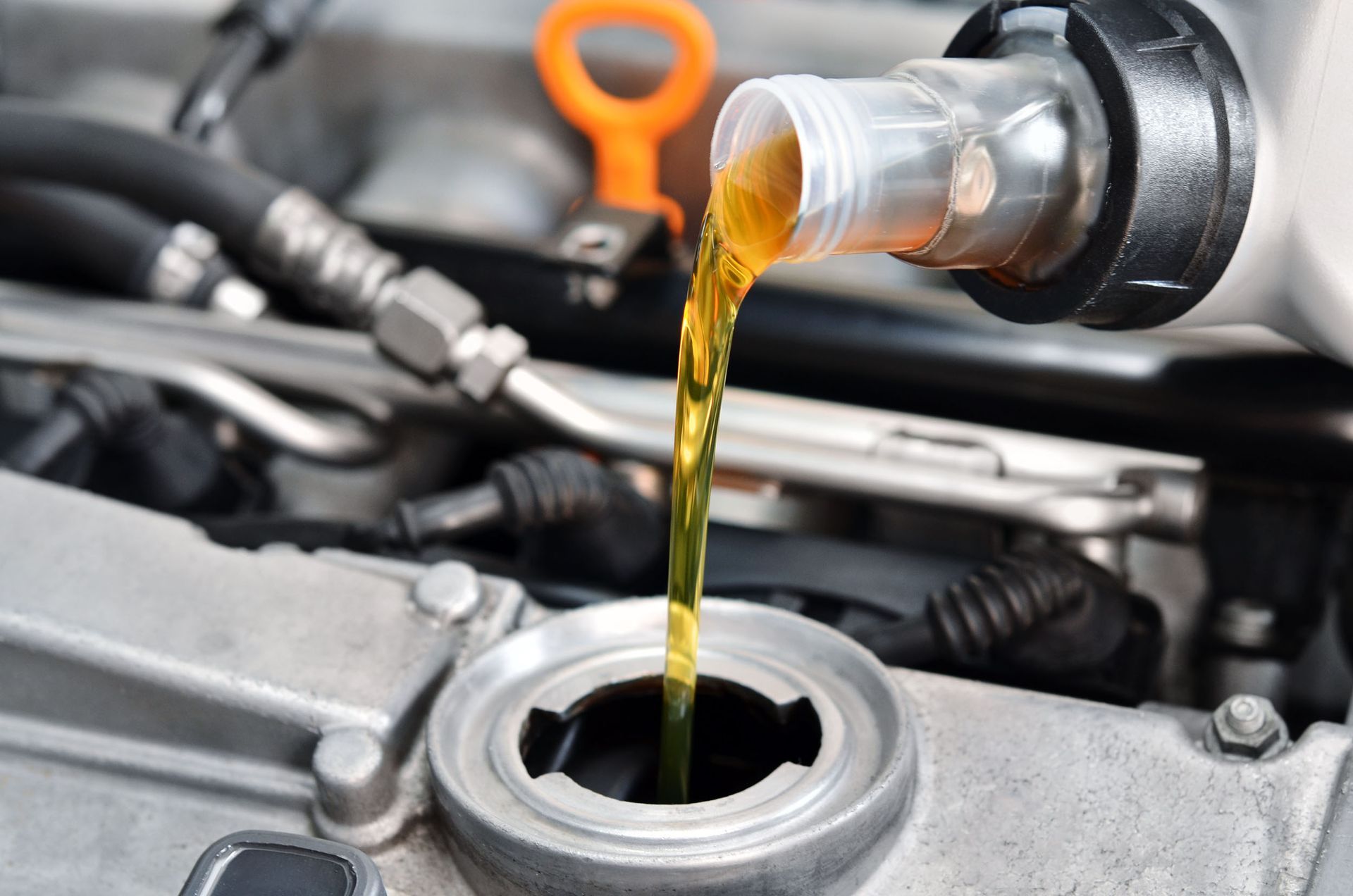
The oil change procedure, while routine, is vital in maintaining engine health. To begin with, the old oil must be drained by removing the oil drain plug located at the bottom of the engine. Following the complete drainage, the oil filter should be replaced to ensure no contaminants from the previous oil mix with the new one. Subsequently, new oil is poured into the engine, making sure not to overfill. A proper oil change ends with checking the oil level to ensure it falls within the specified range as indicated in the vehicle’s manual.
The Importance of Oil Filter Replacement
Replacing the oil filter is crucial as it removes contaminants that could harm the engine. The filter's job is to catch dirt, metal filings, and other debris that could circulate in the oil. Over time, the filter becomes clogged with these particles, reducing its efficacy. A clogged filter can lead to decreased oil flow, which can starve the engine of essential lubrication. Regular replacement ensures the engine operates smoothly and efficiently, extending its life substantially.
The recommended frequency of oil changes can vary depending on the vehicle and type of oil used. Generally, manufacturers provide guidelines that suggest changes every 3,000 to 5,000 miles for conventional oil and up to 7,500 miles for synthetic oil. Following these recommendations is essential for optimal engine performance. Regular oil changes prevent sludge build-up, maintain proper engine temperature, and ensure peak vehicle performance. Failure to adhere to these intervals can lead to significant engine wear and costly repairs.
According to WifiTalents, oil changes represent 35% of routine maintenance revenue. This statistic underscores their crucial role in routine vehicle upkeep. The routine nature of oil changes means they are an anchor service for automotive garages, often leading to additional sales opportunities. Service providers rely heavily on this steady income stream from loyal customers returning for scheduled maintenance. The frequency of oil changes ensures a consistent workflow and revenue for service stations.
The Economic Impact of Oil Change Services
Contribution to Service Revenue
Oil changes contribute significantly to the revenue streams of automotive service providers. They are frequent, essential services that every vehicle owner must undertake at regular intervals. This regularity transforms oil changes into a reliable source of income. The fixed nature of this maintenance task makes it a predictable and steady influx of profit. For many service centers, these represent the backbone of routine maintenance sales, often accounting for a substantial portion of their daily operation profits.
Affordability and accessibility are key to the widespread adoption of oil change services. These services are priced to be accessible to a wide range of consumers, incentivizing regular visits. Many customers are more willing to invest in routine maintenance when it is affordable and offers tangible benefits in engine performance. Accessibility comes from numerous service locations, including those that provide drive-thru oil changes for convenience. This accessibility ensures even busy car owners can keep up with necessary vehicle care without disrupting their schedules.
Promotions and discounts further enhance the profitability and appeal of oil change services. Service providers frequently offer discounts to attract new customers or retain existing ones. These promotions can include bundled services or loyalty rewards for repeated patronage. The cost savings are attractive to consumers, encouraging them to adhere to maintenance schedules. Consequently, promotional strategies are vital tools in sustaining and growing customer bases for service providers.
Cost vs. Value: Long-term Benefits
While the upfront cost of an oil change might seem negligible, its long-term value is substantial. Regular oil changes help prevent expensive repairs by maintaining engine health. This prevention of larger mechanical problems is where the real savings occur. Over time, the cumulative benefits of regular maintenance outweigh the costs substantially. Ultimately, customers find that routine oil changes enhance their vehicle's reliability and longevity, making them a cost-effective investment.
A comparative analysis with other routine services highlights the unique position oil changes hold. Unlike tire rotations or brake checks, oil changes have a universally recognized schedule and tangible benefits. The consistency of oil changes simplifies budgeting for maintenance, offering peace of mind to vehicle owners. While other services may require diagnostic checks or inspections for necessity, oil changes are a definitive requirement at predictable intervals. This predictability ensures they remain a cornerstone of routine car maintenance.
The impact of oil changes extends beyond their direct economic benefits. They also play a role in fostering customer relationships and trust. Service centers often recommend additional services or repairs based on observations during oil changes. This interaction presents opportunities to identify and address other mechanical issues, further cementing the role of oil changes in comprehensive vehicle care. As a result, they serve as a gateway to a broader suite of maintenance services that contribute to overall safety and vehicle longevity.
Customer Perception and Behavior
Consumer Awareness
Consumer awareness regarding oil changes is generally high due to the fundamental role they play in vehicle maintenance. Most car owners recognize the necessity of keeping their engine oil fresh and clean. This general awareness is often based on education from car manufacturers, service providers, and informational resources. Despite this, the specifics, such as type of oil and interval recommendations, can still be misunderstood. Thus, there remains an opportunity for education to improve customer understanding and compliance.
The influence of trustworthy service providers on customer perception is considerable. Customers rely on the expertise and honesty of service centers to guide them in maintaining their vehicles. Trustworthy recommendations during oil change services can significantly affect customer loyalty and repeat business. When customers feel confident in the advice and service provided, they are more likely to adhere to maintenance schedules. This trust not only encourages regular oil changes but also influences the acceptance of additional services suggested by providers.
Behavior analysis shows a pattern in how frequently customers prefer getting
oil changes. Many rely on service reminders, such as windshield stickers or dash indicators, to prompt their next visit. Preferences for service providers are often based on convenience, cost, and overall satisfaction. Personal recommendations and positive experiences reinforce repeat business. This behavioral insight proves crucial for service marketing, emphasizing the need for clear communication and customer service excellence.
Oil changes, while seemingly routine, play a pivotal role in the automotive service sector. Their dominance in service sales is a testament to their foundational importance in vehicle maintenance, economic impact, customer loyalty, and evolving technological advancements. As the automotive landscape continues to evolve, oil changes will remain a crucial anchor, adapting to new trends and consumer demands, underscoring their enduring relevance and value. The industry must continue to innovate and adapt to maintain its status as a vital component of automotive care. By aligning with consumer expectations and staying abreast of technological advancements, oil change services can thrive in a rapidly changing landscape. Contact Quality Car Care today for more information.







Share On: